In the height of teenage growing pains, I used to watch time-lapse videos of flowers blooming. Enchanted by the process of each petal unfurling, like a tendon being snapped, moving not with intention but inevitability. They start off jerky with the first few petals, then they do it all together. A detachment. Reaching towards an unknowable force (who we now know is the Sun), the folds extend and curl. Exposing, exposing, exposed. Uncertain if this was what they wanted, but they have no choice. They could only become.
What a painful process.
Then the movement settles with a breath. There it is. I admire the bloom. Along with millions of others who have watched these videos. We were all witnessing the accelerated process of growth just to see the peak form of a flower. It is beautiful.
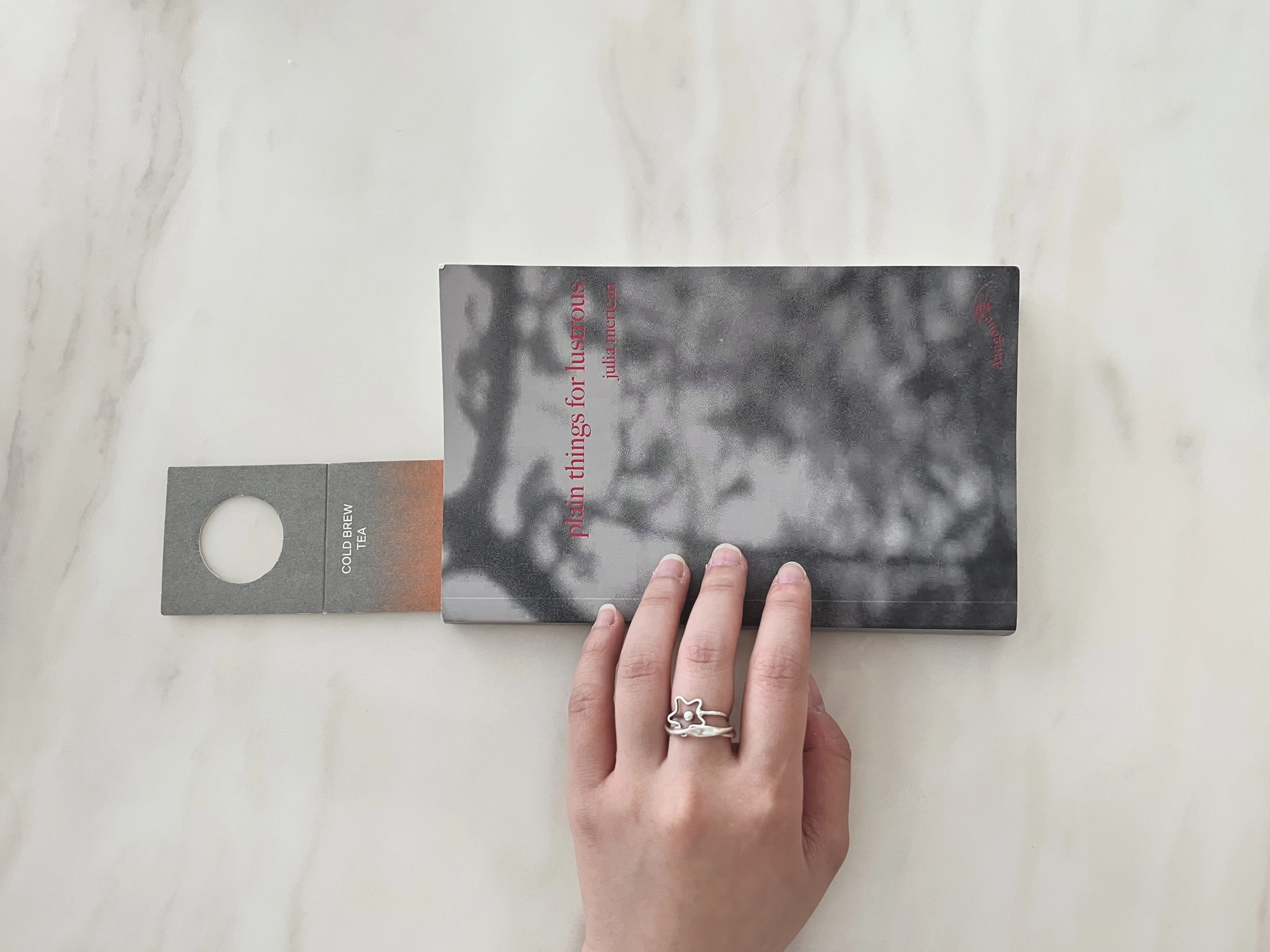
That was what it felt reading Julia Merican’s Plain Things for Lustrous. I couldn’t stop looking away, being swept away by strings of sentences, just like how a flower doesn’t decide to bloom. Every sentence penned with tender care. While the story takes place during a road trip between our two protagonists – daughter and father – the mom is ever present. So really, the story is constructing the portrait of a family with each interaction. It made me think about my own relationship with my parents. Parenthood changes a person, who will they become without it? It might not be productive to follow this line of questioning. The circumstances are set. So, I surrender myself to the encounter of knowing how these familiar strangers play out.
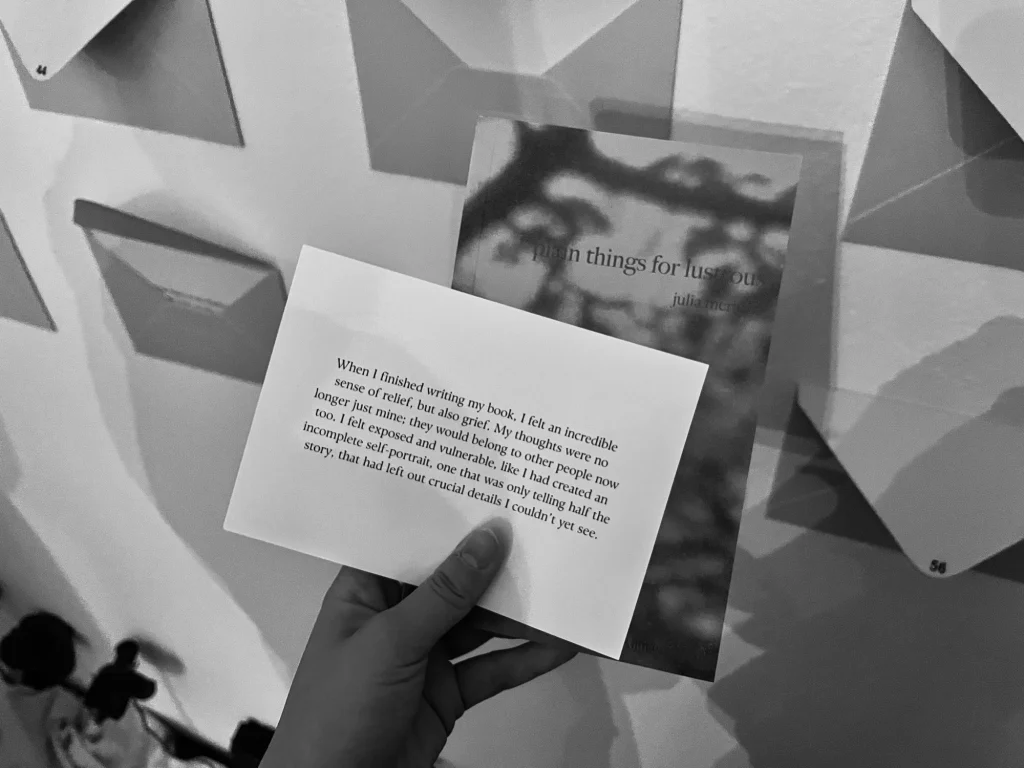
“When I finished writing my book, I felt an incredible sense of relief, but also grief. My thoughts were no longer just mine; they would belong to other people too. I felt exposed and vulnerable, like I had created an incomplete self-portrait, one that was only telling half the story, that had left out crucial details I couldn’t yet see.”
There was kaochim that correlated with numbered envelopes with curated book quotes on the wall. At the book launch, many were trying out their luck, finding their connected quote from the book. Decisions, choices, and luck, it seems for one evening, we are all bound by the same thread. My luck braided me with this quote. It’s a weird one, prior to reading the novella – it read like a confession from the author herself. How much of this is imagination? How much of this is lived? These questions have lit an appetite in me. I imagine a dreamy narrative, a pensive knot, right before it unravels.
Exploring “the luminous power of what we reveal and conceal in the stories we tell each other”, the story manages it so deliciously well. The position of a fiction reader can be a position of power, we know information the characters don’t, and we revel in satisfaction for having that omniscience even when it is to the author’s design. If the regular reader feels like a god, then the Plain Things reader feels like a voyeur. An eavesdropping participant sitting next to these two characters during their kopitiam visits. We only get to know what is being revealed, piece by piece. It made me think about how I construct my own identity within personal relationships. What labels do I use to introduce myself, what threads of information do I divulge? What feels the easiest may not be what feels true. To know someone else is to piece a puzzle and questions are the fragments of a whole. Sometimes these fragments resonate, as events in the daughter’s and father’s life overlap in coincidence. Or in fate. Can we run away? In a way, this reads like an adventure-puzzle game. The final goal being the developed picture of our dual protagonists, taken during a short road trip stint along familiar Southeast Asian coastlines.
Like the life cycle of flower beds, this book feels… cyclical. As if the passing of time won’t let it fade away but rather reveal new findings. Shapeshifting as your perspective changes. I can’t wait to get through this book a second time down the line and relive this road trip. Maybe if I become a parent. What happens then?
p.s…. brief notes on design: the red text on silver/grey cover, so enticingly dangerous. yummy! also noticed this pattern of double-spacing in typesetting instead of forcing the tracking, that was really interesting. i wonder if that was intentional? i read it between an invitation to pause & an interruption in thought.
Something’s wrong. I have grown more afraid of people that are not family. On my childhood bed I lay down, pretending to be so still that wind passes through me. I almost hear a whistle. It’s too warm. My heart betrays me as it vibrates in my ribs. I feel the tremors on my skin. Have I ever known desire? Yes. No. Doesn’t matter. It does.
It is more difficult to look at others in the eye. And speak. So I create scenarios where I don’t have to. Staying home again, the haze gives me an excuse. It’s all blurry. I feel that I’ve become a monster in the mirror. When I speak it is not me. I am scared. There is no anchor to my recent memories of speech. Happiness is starting to distance from me now. I fear this is just the beginning.
Envious, always, of those with a strong sense of self. Mine is always fluttering, and I do my best to keep it clipped tight on the line wire. Though sometimes, I forget to bring it in when it rains. Can’t tell if it’s raining now. My loved ones help me though, but it’s a double-edged sword I’m still learning to wield. Wield where? In what battle? I am better than who I was. Is that enough when you hear the thundering hooves?
A beast cannot escape its rest. Everyone seems to be running on renewable energy and my generator seems faulty. I will fix it. Just not now. For now I am afraid. Awake, I think of sleeping; asleep, I think of slumber. There mustn’t be a name to this rhythm, it will become never-ending.
I know it’s not normal to think about yourself so obsessively, but how can you not when this is all you’ve known? All I am. This is all that there is. The confidence in myself has always been borrowed. When I grow up tomorrow I want to own my confidence. And it will cost as much as I can afford. Creation and creativity are slipping through my fingers but it still passes through my hands. So I continue making, and making, and making. Who am I making for? In the end, I have made nothing.
I wish I was easier to myself as I am to others. Can someone sing me a lullaby?
When I was a young teenager I would save a lot of anime images. After watching a series I enjoyed, I would open a folder with its name and scour the internet for images: official artwork, fan art, manga caps, edits. Sometimes even anime-related events, if they had good enough graphics. I saved every single International Saimoe League card and banner for the years I participated. (Realising again my enjoyment for graphic design is connected to events, to gatherings, and probably always has been. Maybe I should’ve just left graphics editing as a past-time leisure.) Through saving, I would slowly be inspired by these images to create my own anime graphic edits, which formally kickstarted my journey in graphic design.
Other than that, I didn’t even look back at the images much other than to sort. There’s Danbooru at home, basically. I think my main purpose of saving was to have enough images to participate in the act of sorting. I would open subfolders of character names, sort, leave them, then revisit them another time to resort. Maybe this time I’ll sort them based on category, then next time on characters again.
I had so much fun. It was like Tibetan monks drawing intricate mandalas in the sand, only to erase them once they’re done. An act with nothing to show for, a true act for myself. I never showed anyone these folders of anime images. It was one of the rare activities where I felt complete agency over. Saving images was a form of saving myself.
One day these anime image folders got too much to bear for my first ever laptop, always whirring, never shut down. I transferred them to a Western Digital external HDD. I wrote my name in sharpie and the edges would feather out onto metal. Placed it right on the the top shelf above my desk. I would continue this aimless pursuit of mine: save, sort, save, sort, save, sort, transfer when local storage gets filled up again. Until I went on holiday and after my return, decided to continue saving images locally. It always takes a while for a computer to read a HDD. The anime-watching rate also decreased, hence the slower rate of image-saving. That is to say, it remained untouched for a while. Well, I didn’t know that it would be the last time I could access this hard disk. When I decided it was time for another transfer, the HDD could not be identified. It was dead.
Troubleshooting went nowhere. As a teenager with no experience in storage systems, who also couldn’t afford any external storage resuscitation services, I decided the most natural decision was to accept its death. With it, the death of many anime images – my own anime image collection – locked in a silver-cased coffin. Because no one knew about this other than myself, only I could sit with the grief. In the grand scheme of things, it’s such a silly thing. If a HDD dies without anyone to perceive it, did it really die? Did it really exist? The only way to move forward was to live life as if it never happened. So, I did.
Now, I feel as if I’ve always been subconsciously hindered by that loss. I don’t think I could ever feel so obsessive and creative just because I don’t want to go through the risk of losing it all again. Despite knowing about cloud storage or NAS systems now, I don’t think I could do it again. Despite being able to afford repair services now, I’m still too weak. Is it okay to process this now, more than a decade later?
In Juan Eduardo Cirlot’s A Dictionary of Symbols, the garden is where Nature is tamed, ordered and contained, manifesting as a symbol of consciousness (as opposed to the Forest, of the unconscious and the unknown). Meanwhile, in the context of battlefields, the garden represents all the values that oppose war in Defiant Gardens by Kenneth Helphand. Because to garden is to be anti-war, to cultivate and assert a will to be civilised, to continue holding onto beauty and meaning.
– Snippet of given brief for Book Meadow 5.0 contributors, by Yee Hsean
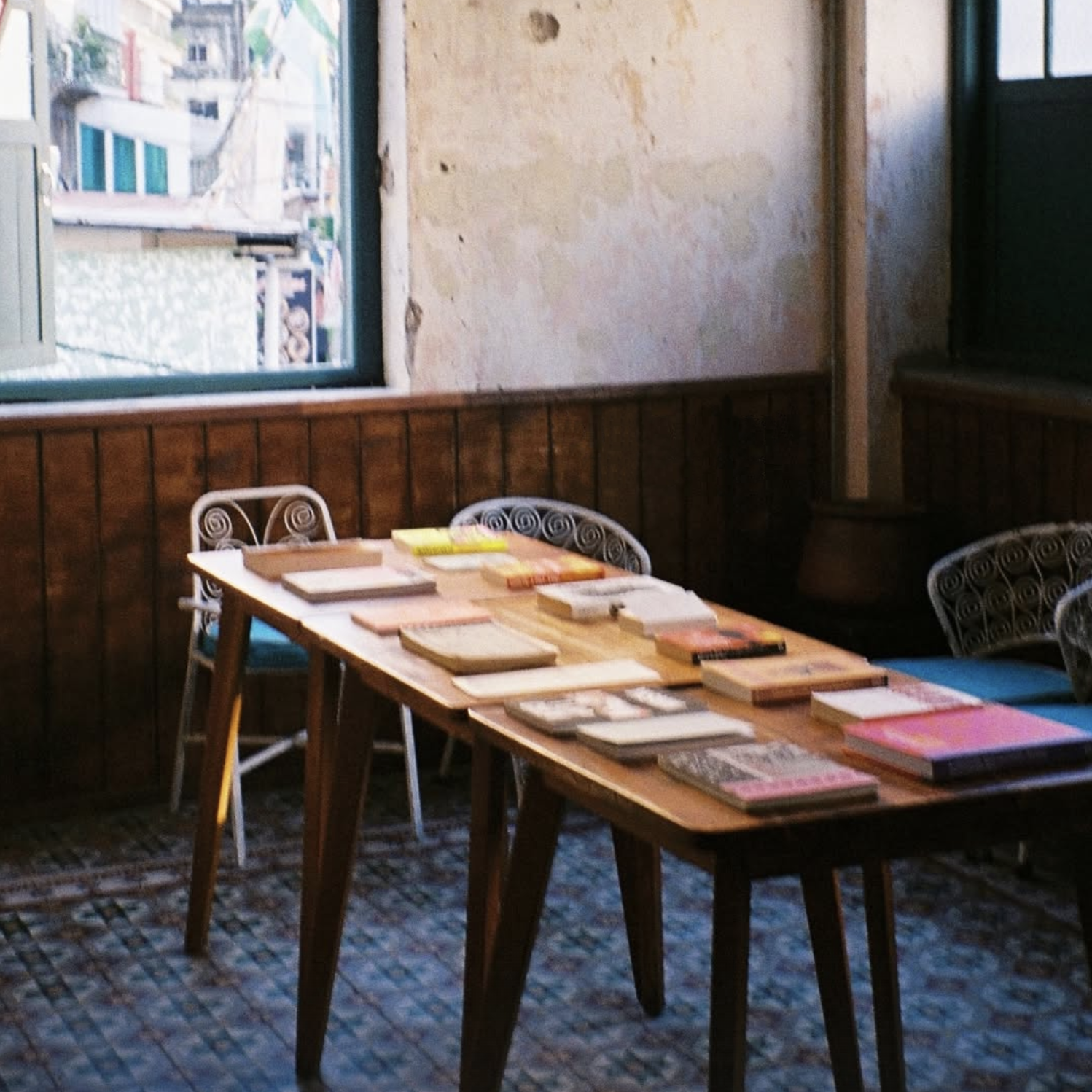
August: fickle weather, the ghosts are returning, neighbourhood 歌台 is playing Chinese EDM. I was graciously invited to contribute some books for the fifth edition of Book Meadow, themed “Defiant Gardens” in conjunction with Garden Symphony exhibition. Sharing the table with Pavithrah and Mars, who also contributed beautiful books. In no particular order, here are some notes on the books I brought:
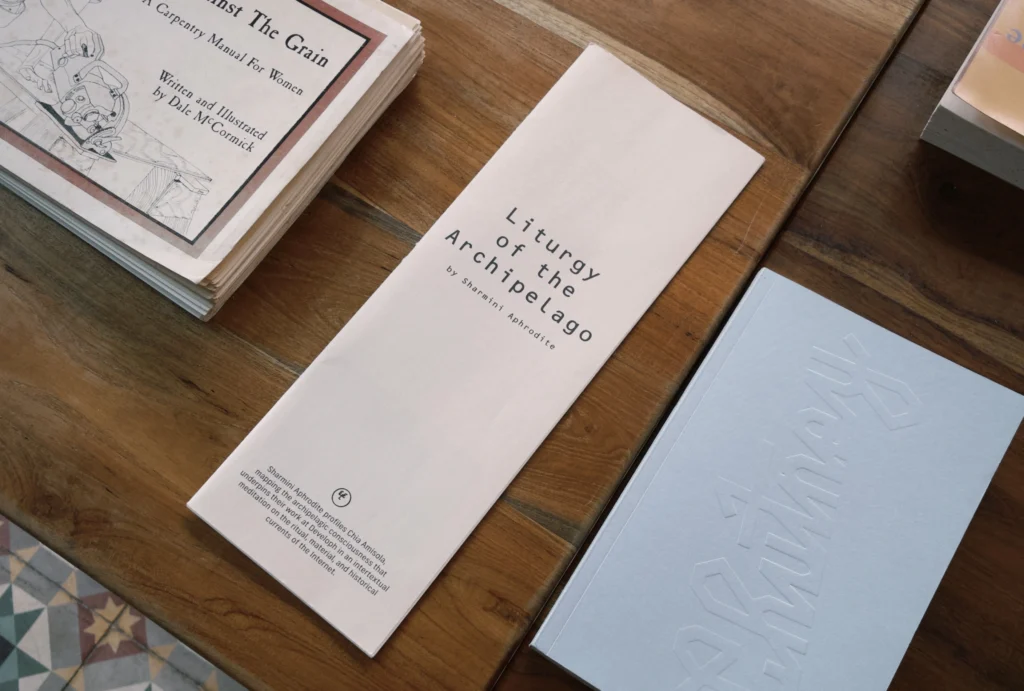
“An archipelago is not separated by the sea, but drawn together by it, joined not only by the solidity of land but the fluidity of water.” A profile on Manila-born new media artist Chia Amisola, whose work focuses on the third-world internet’s love, loss, and labour. I’m always in awe of Chia’s work, and they are a major inspiration to how I think and navigate the internet. I was glad to get a copy of this during Feeler’s exhibtion during SG Art Week 2026.
While I don’t read as much as I’d like to, whatever I’ve read have mostly been from a Western-centric lens. This body of text shifted me away from that slightly, and has given me a stronger belief in Southeast Asia – “a multitudinous space in which any notions of a centre are extinguished” – and the work that is birthed from it. I feel as if it’s subconsciously impacted the way I create and view my own work.
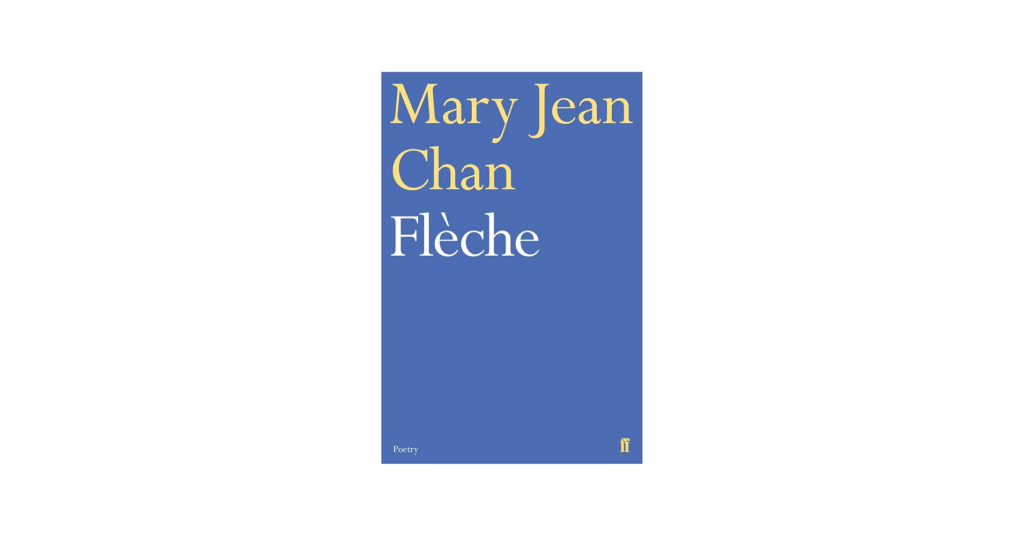
Queer daughter, Chinese mother and her mother, multi-lingual conversations, and the power of history/history of power. This poetry book collects thoughts around the generational gaps that display themselves when you’re in-between many worlds, geographically, linguistically, etc. Every poem strikes through the heart with honest confession.
The knowing of Mary’s work was gifted to me by a dear friend. First encountered her poetry in a cozy dorm room in Colchester, when it was summer break and no one was around. Sun rays filtering through the window, reading belly-down on a makeshift mattress, it felt surreal. Like the world was giving me time to catch up.
Frankly, I didn’t read this until I had to select books for this pop-up library. So I’m glad this opportunity gave me the chance to spend time with my own collection.
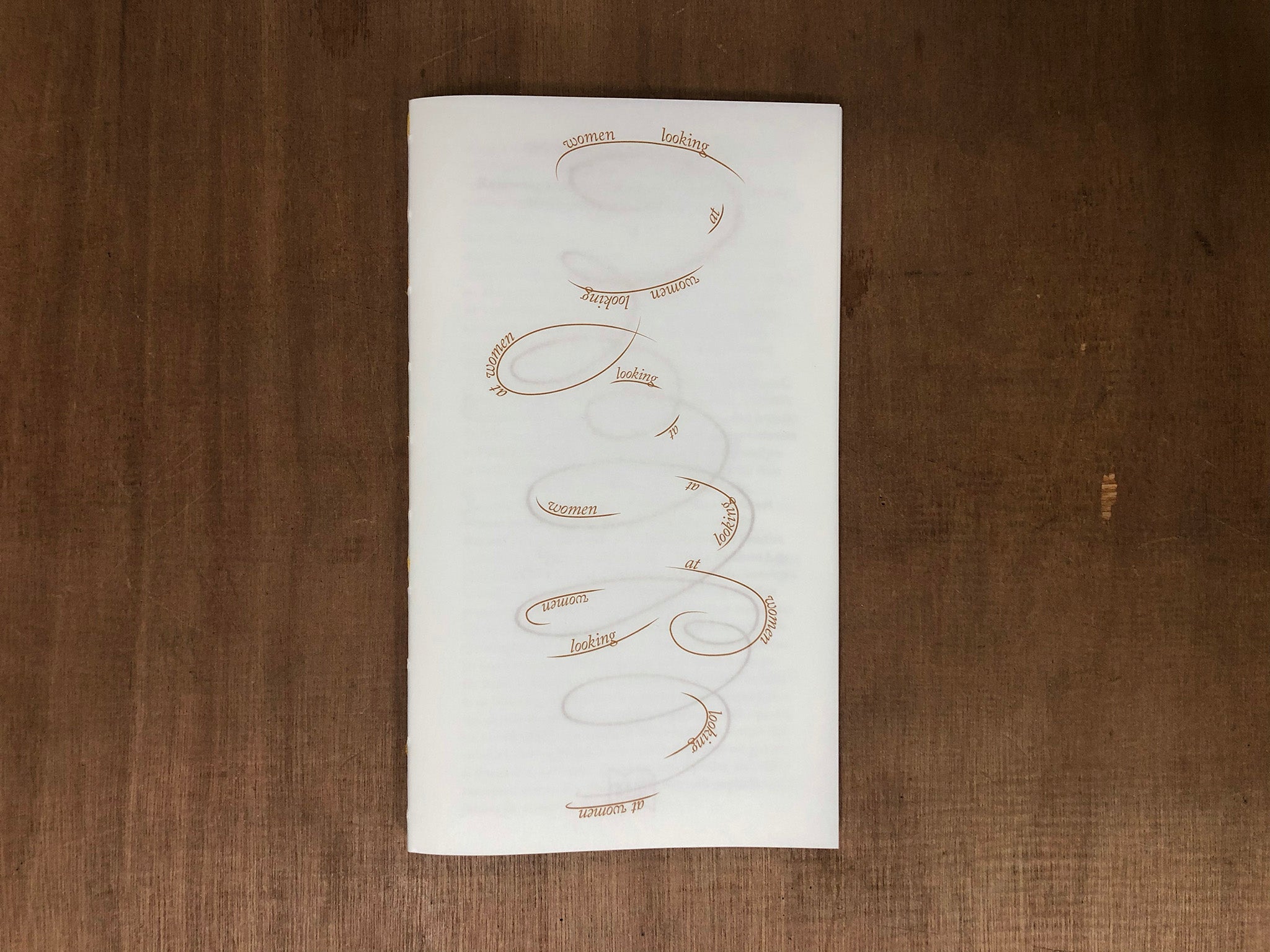
It was nice to read that a lot of kinder practices I believe in can be rooted in feminist practices – and practice as something to be acted out – from archiving to painting to cataloguing to citation. It’s also a beautifully designed book, the paper is delicate but yet together it forms a solid book structure. I interpreted it as a way of seeing the women before & after that inspire the words on each page, their ghostly visages made visible through transparency.
When you purchase this book, you’ll receive a set of three books. All with the same content, the only difference being the quote on the spine and cover. Its intentions were to be gifted, and gifted to me this book was. By a friend who taught me to believe in myself by being unapologetically herself, visiting cities together just to look at art books.
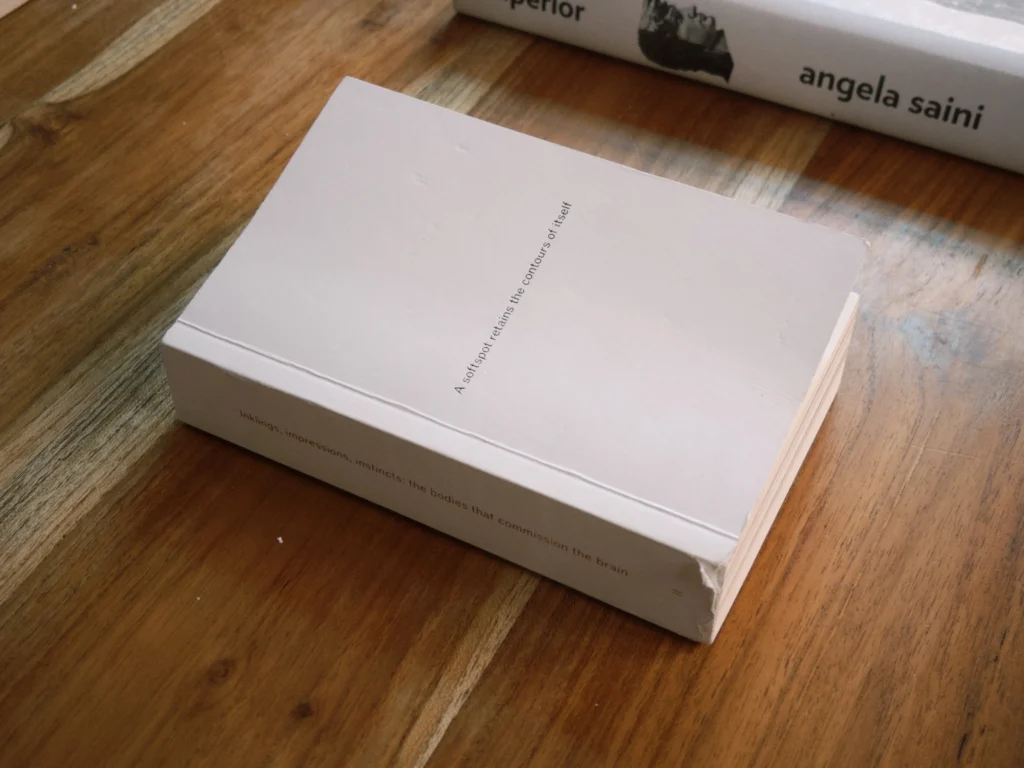
softspot is a peculiar anthology conceived during the Covid pandemic. A patchwork of emotionally-driven prose and imagery woven, representing “a study in how words can be written — and how they can be held in a hand.” When held, I can feel its magic. For the first few months I’ve had it, I brought it around with me like a charm. It fits perfectly in the palm of my hand.
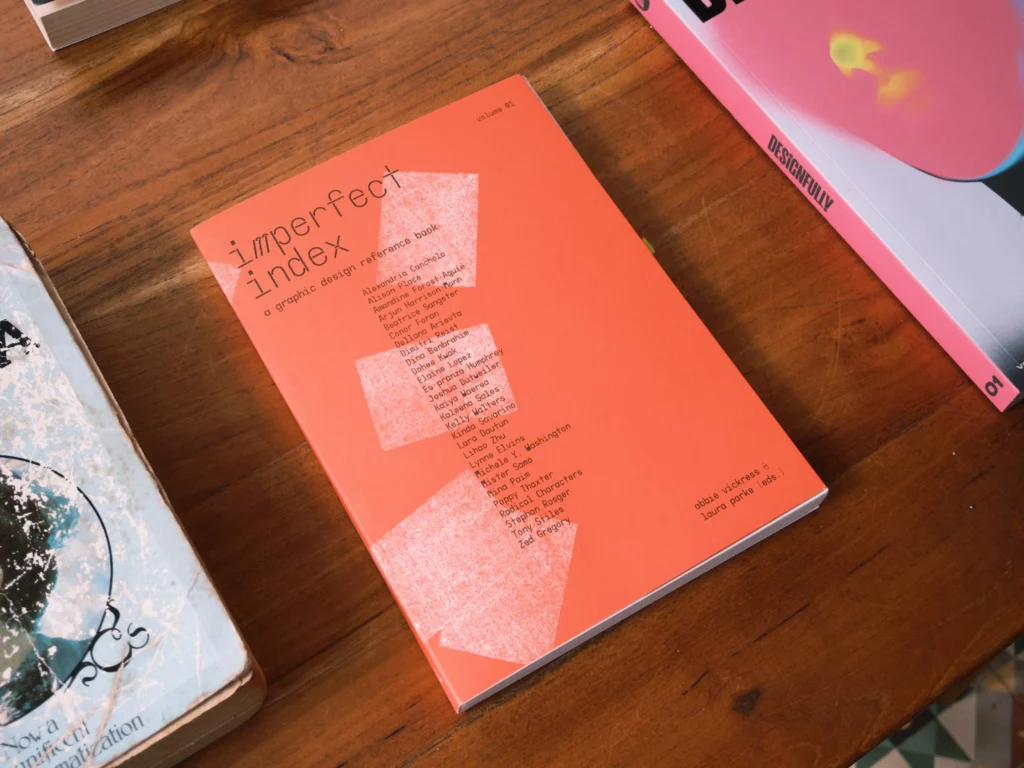
imperfect index is both a talks event and a reference book that invites practitioners working in non-traditional graphic design margins to share their projects. I’ve always wondered what graphic design can become, and this was one avenue that expanded my worldview through real-life people + projects.
This book was gifted to me, as I helped co-design the identity for the talks portion. Stewards of this project are actually educators that have taught me in university. It was a blessing to be a student under them, as I had come to learn there are ways of pedagogy that doesn’t center exponential productivity, awards, giving up agency etc.
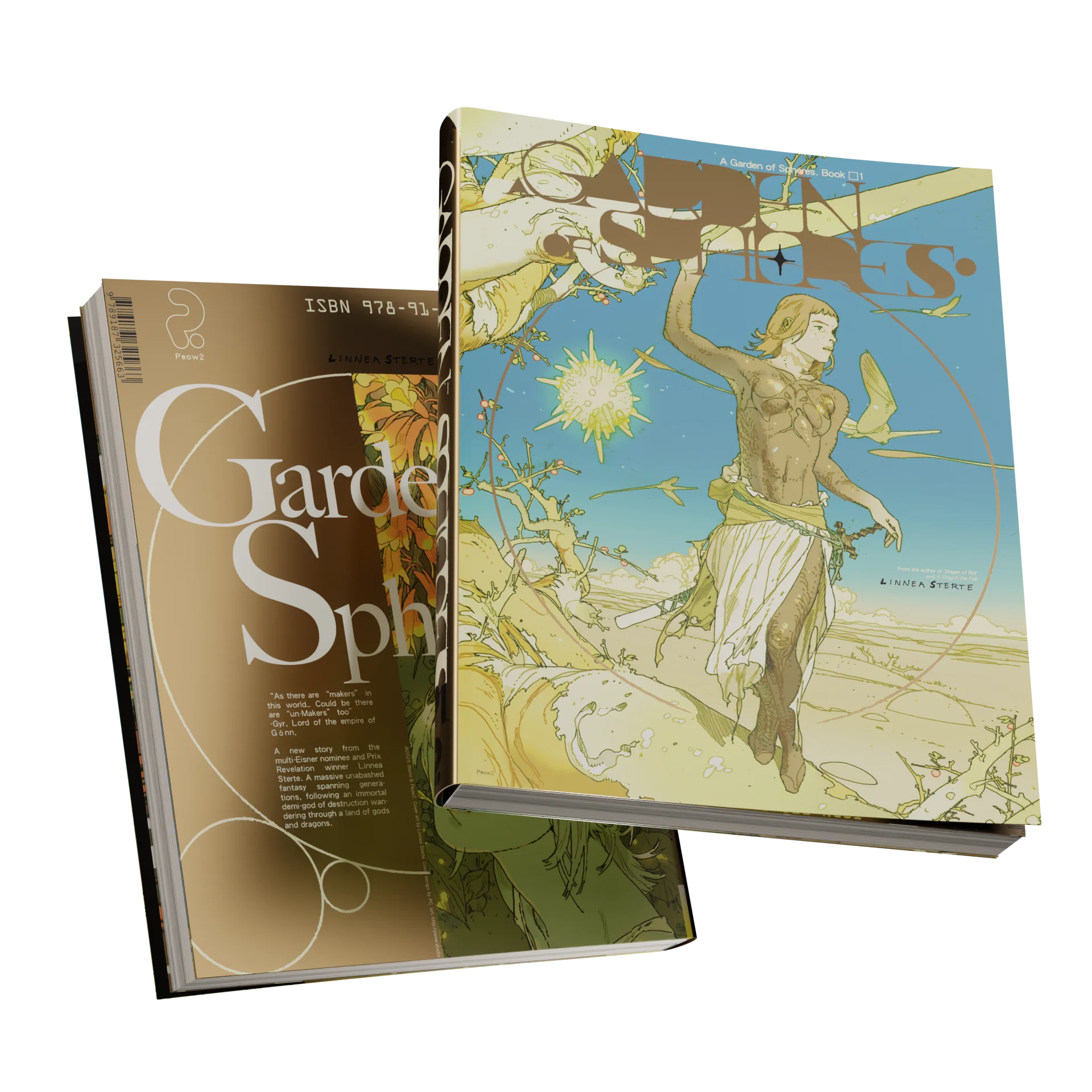
A stunning top-tier graphic novel from all aspects: storytelling, linework, colouring, panelling, lettering and more. Filled with pages of lush natural environments, the story is anchored to the Un-maker who assumes a feminine body. As she drifts around a world populated with gods who have the power make things, the narrative has this slow, intentional pacing that becomes its feature. What I enjoy the most is as life, death, and everything in between happens, the Un-maker is able to exist without performing societal pressures of womanhood. She has agency and conflict, she has sex if she wants to, sometimes she doesn’t care, she doesn’t meddle in others affairs. Did I also mention the beautiful renderings of nature? Just with that, I thought it fitting for the show.
Without a group order to split shipping, I wouldn’t have been able to even get this beauty of a comic. So I thank them endlessly for agreeing to split costs!
[placeholder image by Ash Amplifies on unsplash]
Nature, Love & Capitalism Hannah
For a while I was deciding if I wanted to include this zine among books. In the end, it was because I found it beautiful. When formative education has long separated the arts and sciences, it was a delight to find a zine by Hannah who has a background in Ecology and actively practices in the sciences. Filled with clipart, collages and pattern, there’s a certain DIY charm to it that I hope intills a creative spark in others who aren’t formally in the arts.
It’s an easy-to-read primer for those who aren’t too familiar with any of the topics discussed. Connecting feminity and nature, there’s no academic jargon and it speaks directly from Hannah’s own thoughts and experiences. It has a similarity to Instagram slide infographics but better, because in print, it breathes the same air as you without extra distractions or requirements other than the ability to read English.
Throughout my life, I have been stripped of my agency by a patriarchal society. I have been moulded and transformed into something I am not, dehumanised and degraded and used for my body. Nature too, is stripped of its agency by this society. It is made into what is palatable, commodifiable, useful. And so all oppression resembles this pattern.
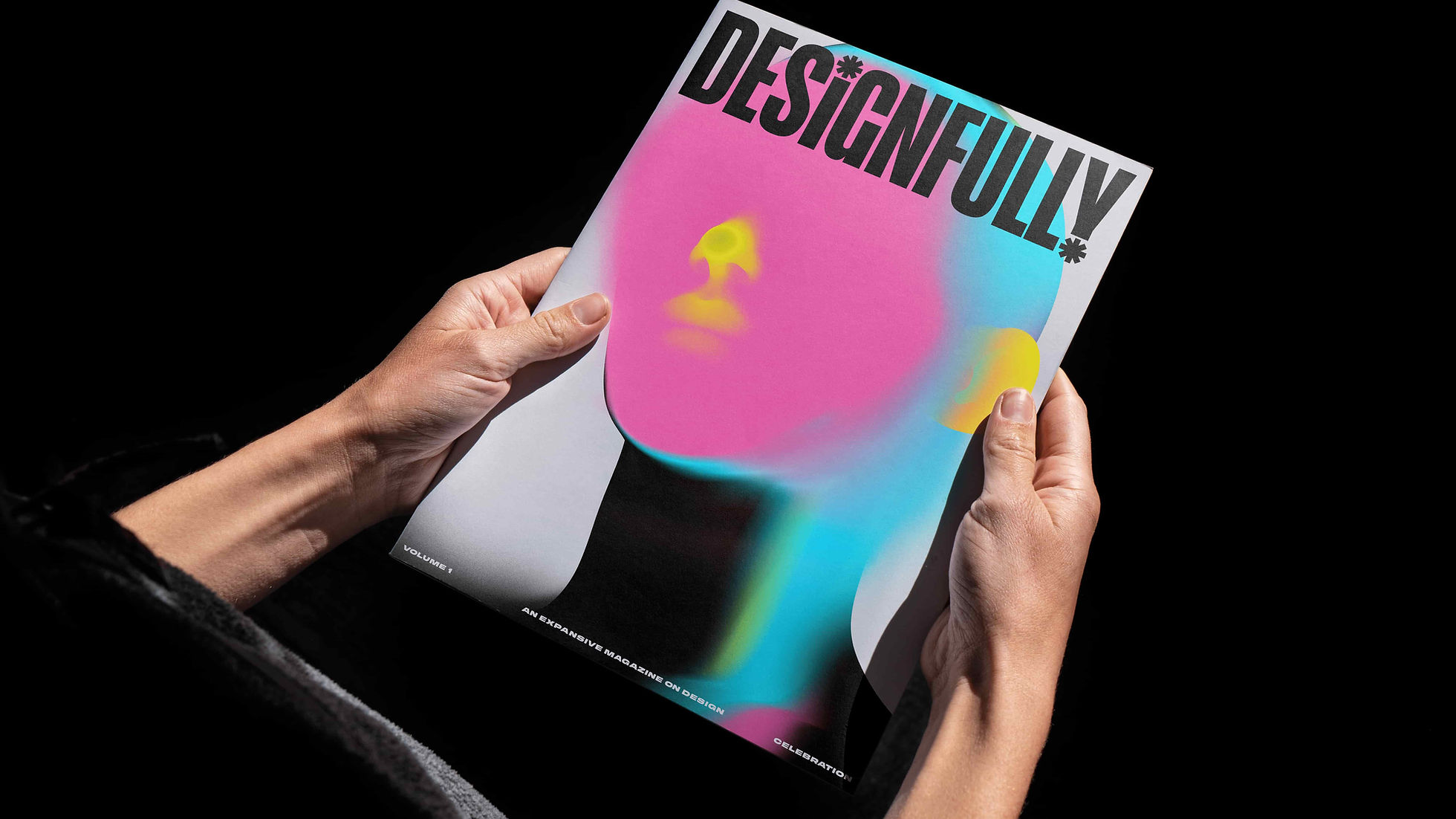
Design by Women is an Instagram account and editorial platform that shares work from women in graphic design, an industry notorious to be more male-dominated in higher positions. I had a gracious encounter with Design By Women‘s founder, Mary, who then was in the planning stage of Designfully: an expansion of her project; a magazine that includes all voices from the margins, not just Designfully.
It’s a beautiful work of labour from an all-women volunteer team. One where I had the honour to work with as I contributed some design and writing. It was really inspiring and motivating to be in a team full of women, despite being one of the younger ones in the (zoom)room, I felt like I was being treated as an equal creative contributor.
Regretfully, I didn’t manage to spend as much time as I wanted with all the other books on display. Some of my favourites were: Chutney 4, On The Necessity of Gardening, The Master’s Tools Will Never Dismantle the Master’s House, Against the Grain: A Carpentry Manual for Women.
This was the first edition of book meadow that inivited contributions from people outside the visual design sphere, and what was offered reflected that. What I’ve realised is that a good number of books on display talk about belief in a better world, each in their own words and expertise. A world that is inhabitable, sustainable, and lively. A gardener is always a futurist. To more book meadows and defiant gardens.
Book Meadow is a wandering pop-up library showcasing books from the personal collections of friends, artists, writers, creatives and other guest contributors.
Pigeons are homing. They always want to go back home.
– 1000xRESIST (Occupant/Watcher)
I’ve been back home for a year now and I’ve definitely gotten more comfortable. I still move between houses in two bags, but I am blessed to be home within two places. One cannot be greedy, just like how others have to accommodate to my living patterns too. There’s still no set rhythm I can move my body to, but it inconveniences me less now. We make do. I tend to pride myself in my adaptability, a personality label bestowed to me, but I wish things would stay still. Actually no, that was a lie. I’m always thinking of moving because stillness invites reflection.
I’ve got this bad habit of never looking back at the work I produce, but always looking back at my own memories. Memories are so malleable, sometimes I feel as if they’re fiction, warped and kneaded to self-satisfaction (or self-flagellation). It’s so easy to live inside your past experiences, to be trapped inside. Who am I if not my own memories? Who am I with my memories? Better yet, who am I in your memories?
Recently, I’ve finally made visible this long term project of having all my work housed on a website (still work in progress). Faced with the task of looking back, writing notes on each project has unfurled itself to be rewarding, in spite of my initial reluctance. The main conflict being why am I still sharing on a scrapeable web? Without overthinking, I think part of me still believes in the web. Still believes in sharing something that friends and strangers can lurk, click, read about, anytime and anywhere. Believes in the position of inviting in (posting on a navigatable web portal) instead of sharing out (posting on social media, vying for attention). I think the act of being selectively visible on the web has helped me engage with life a little deeper (let’s go girlblogging days).
My reluctance on looking back at work I’ve produced has always been an issue of avoidance. I’m rarely proud of the work’s end result, not due to the quality of work but because of my own insecurities. I rarely think about outcomes when I create. When the work is done, I feel as if it no longer belongs to me. So, I don’t really feel the need to revisit it. The process however, have always been something I’m eager to share, happily. Is it something about endings? Though, I did say this project of cataloging was a positive act. The oldest project dates back to 2016, ten years ago as of writing. Distance definitely makes the heart grow fonder. I find myself looking back at these works by younger-me with affection and pride. With practice, I want to instill that same feeling for future work, to be a better creator.
During the days up to my flight back, I had Ocean Vuong’s quote stuck in my mind:
What is a country but a life sentence?
Before, I’ve felt slightly disappointed in myself for having a desire for Malaysia that I can’t ignore. I cannot leave her. Heavy on my chest. I cried for days. Why can’t I just feel normal about it? Envious of those who are able to let go of their homeland easier. From conversations, these can be people who have minimal interpersonal ties back home – no family, no friends. It wasn’t as if I was ashamed, in fact, I felt plenty proud to call Malaysia my home. Could I be a homing pigeon? Pigeons always want to go back home.
Now that I’ve been home, it turned out to be such a silly feeling in hindsight. I think the love I expected to receive in Malaysia was so overwhelming, coddling, suffocating that I felt weighted down. Undeserving. Scared. Confused. I was going through the realisation of what it means, to be prescribed a home you had no say in and agree with it.
It feels lighter now. To be homing, to be returning to a new set of rhythms, to know where I should focus on. There is a compass in me, and it’ll always point back home.
I am the most illegible person in my life and that makes it hard to celebrate.
I’ve never put much thought to the myth of the brain “fully developing” at 25. People sometimes describe it as a moment where the fog clears up in front of them. However, I catch myself having foggier days now than I did 8 years ago. When I was identifying with my suffering that felt sharp and true, atoning for my first sin of being born. I felt mature in my own pain, it was the only thing saving me, while unconsciously robbing myself of joy thinking it’s only reserved for the naive. It didn’t help when those older mistook my immature suffering as honourable development – “soulful”. By over-attaching myself to the sadness I feel for myself meant that I could hide behind it, giving myself a way out from self-interrogation, and that’s my biggest sin. Making myself visible meant exposing myself to risk. I had to be small at all times, feel guilty at all times, because that would prove me virtuous, prove myself deserving of love and attention. I could hide behind my own pain, while escaping the work of knowing myself.
I have read of Le Guin’s quote [1] on the banality of trauma. I have. Though intellectualising proved much easier than practising it. I am committing treason, but it was the only way I felt real. Bad habits die hard. Suffering is universal, and so personal. They say it gives character and persistence, but I come to think it only does if you give it the time to marinate, like wine or mold. When suffering is constant, replaying pain prohibits its death.
[1] quote mentioned
“The trouble is that we have a bad habit, encouraged by pedants and sophisticates, of considering happiness as something rather stupid. Only pain is intellectual, only evil interesting. This is the treason of the artist; a refusal to admit the banality of evil and the terrible boredom of pain.”
– The Ones Who Walk Away from Omelas
Truth of the matter is, this year I’ve been surrounded by joy and it makes me uncomfortable, undeserving, scared even, like a deer in headlights. Because joy makes me legible. At 25, I think I want to start understanding joy. I think I want to start understanding myself.
This year’s birthday activities have been spread out full and thick. As long as it’s happened around that time, I’ll count it as a birthday activity even if there’s no relation to it. Hopefully, I’ll stop thinking of my birthday as another day to dismiss but another day to be aware of the life happening within and around it.
volunteered at a soup kitchen that serves areas i always frequent, loved ones came along to teman yayy.
picnic under the rain at dataran merdeka with M……
surprise party with my friends and family!!! they got me a lok lok truck in the fucking house and i cried. there was also a DJ (my friend) and it was great. i cried again.
karaoke of course is an essential birthday activity. i still don’t have a go-to song.
attended a documentary theatre play part of KL festival – Fragments of Tuah – and it was great.
catching up with friends from a time where it was normal to feel like dying
M brought me to a couple’s ring-making workshop, each hand-stamped with “moon” and “sun”. then brought me to a cozy japanese restaurant.
I got 4 cakes in total to gather people around a table with <33
With all that, I’m learning how to feel comfortable with joy in my body. So far, it’s like controlling an uncanny version of myself. It’s difficult to give joy the same reverence and fuel as pain and suffering. Weirdly enough, detaching myself from the self through joy gives me more room to wander. Though I do admit I am wandering a bit too far and loose, can joy anchor me in place?
Not every intense emotion is meaningful; not every uneventful emotion is useless.
Nina Montagne mentioned in a video that the “self is such a small container for a meaningful life” and I felt compelled to incorporate that into how I viewed my self and the world when possible.
I am too afraid to give myself away. Do I need to?
I enjoy more when I dislike more; I enjoy less when I try to enjoy everything.
I am connected to everything else. Sometimes that is overwhelming = paralysing.
Living a life is also deciding what I want to exclude.
Though ideally, I am side-quest maxxing. I suspect this will give me a career crisis.
What do I actually want?
I create too slowly for my liking. I am urgent when it comes to sadness.
Back in the question-loop of: “Graphic design here is so limiting” and “Actually, what the fuck is graphic design?” and “How do I make graphic design something I continue to enjoy?”
It’s still a little tricky to untangle my feelings from coming home. I tell people I’m living it as I go. The process is the product.
Perhaps the sad truth is I currently feel so small and unagentic at home, it’s difficult to exist in a place where it doesn’t need you to function.
I am learning how to conquer my fear of driving with good, slow progress. I believe this will save me.
Anyways!! 25 was a blast, let’s do it all again and hope it’s different than the last. I love my friends and my family, they love me too so I know it’s all real.
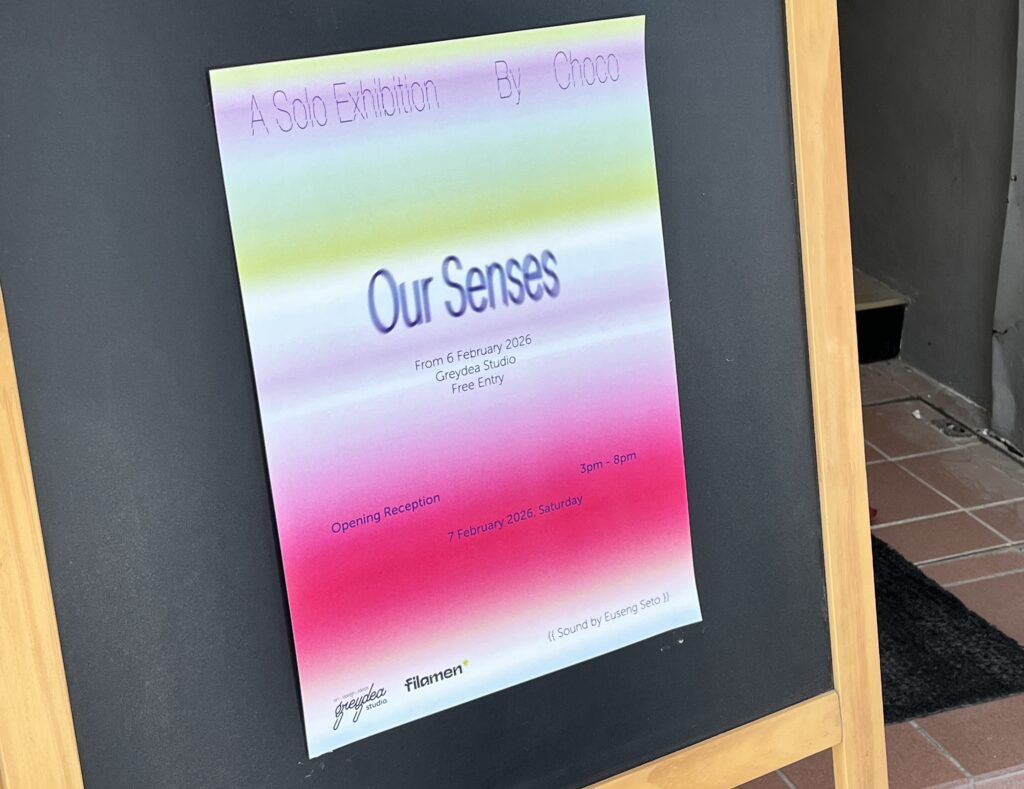
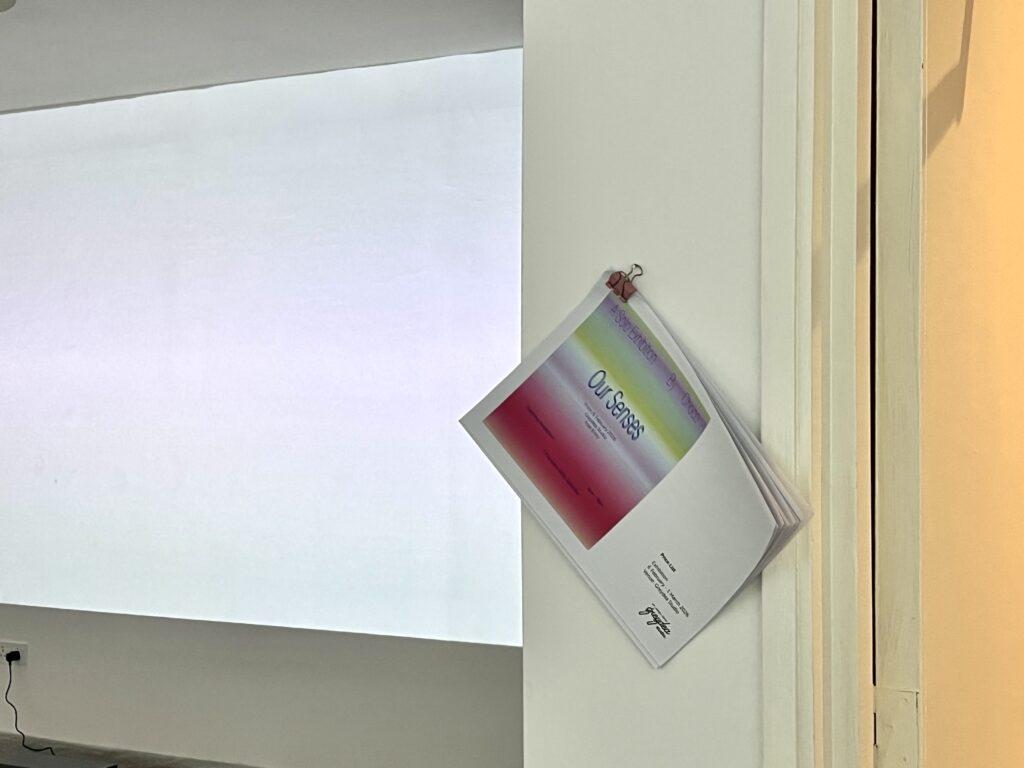
It starts before entering the space. With the climbing of stairs, dust piled along its edges, pressure on the beds of your feet and in your knees. Passing by the first floor – a studio filled with messy artefacts – you hear it before you see it. Soft melodic piano notes by Euseng Seto ripple in the air. Where do your senses start, and where do they end? The space welcomes you to Our Senses.
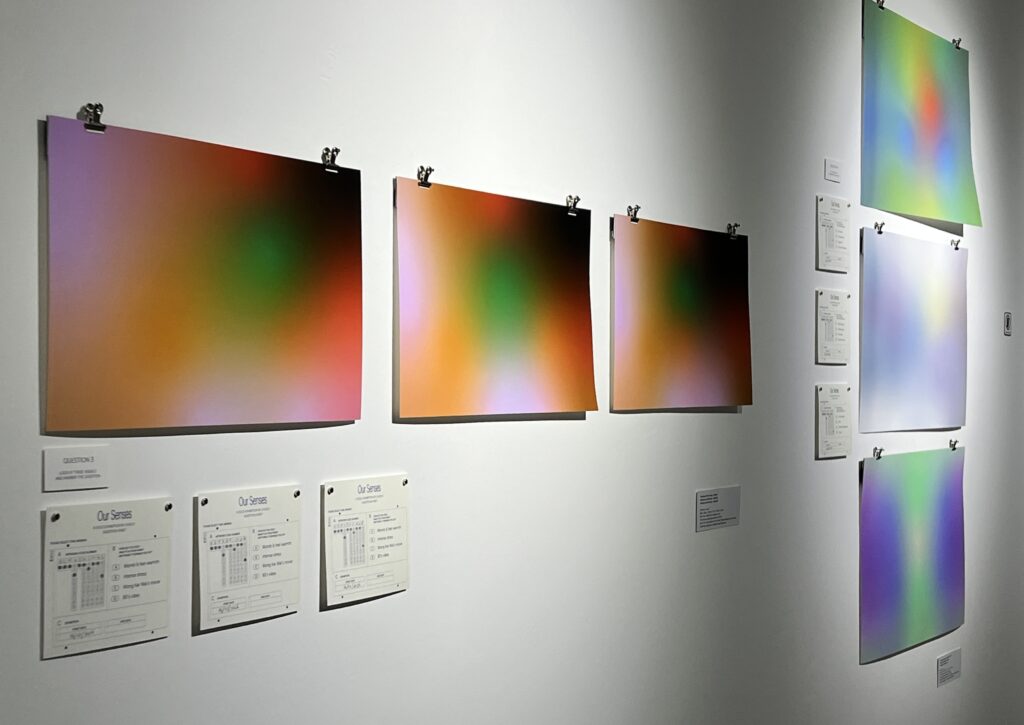
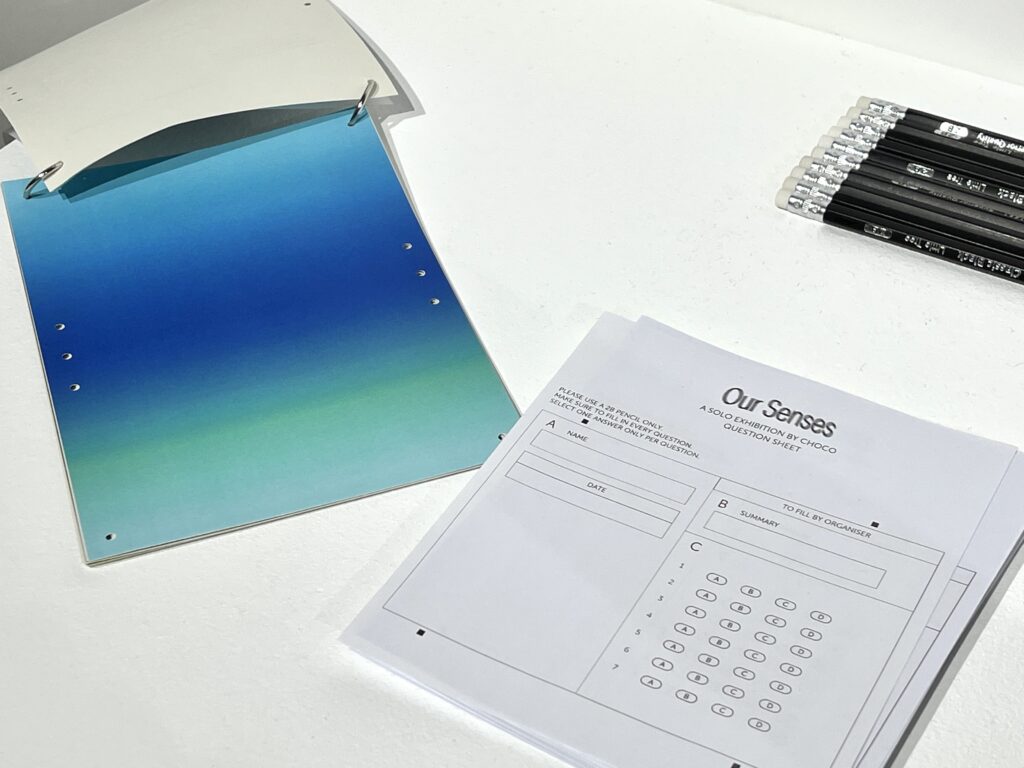
Choco Goh presents 3 series of works in the intimate Greydea Studios. Series 01: a series of prints, instructions, and an answer sheet. Glossy prints on the wall are each paired with a question the audience has to respond MCQ-style. Splashes of high-impact colour stand in front of you, bands and pools of colours melt into vibrant gradients. To immerse oneself in making a decision, sometimes you take a step forward, sometimes you take a step back. The last three colours have accompanying melodies, you don’t expect them to gel but they do.
These questions we answer serve as part of the artwork, asking: “How do you feel? What’s in your mind? Anything it reminds you of?”. The mind wanders to form connections towards each art print, only to find that the answer we hold isn’t an option on the list. It seems here we interact with the invisible “our” in Our Senses. Prior to this showing, contributors were gathered to “a sensorial preview of visual and sound”. Friends of the artist, both old and new, came together to freely submit their responses wherein popular answers were curated into the 3-4 MCQ options we now get to choose from. Some choices are more direct connections: “(A) Energy, (B) Sour, (C) Reggae or Brazil, (D) Sky” for a green-yellow linear gradient; some others less so: “(A) Womb feel warmth, (B) Intense stress, (C) Wong Kar Wai’s movie, (D) 80’s vibes” for a gradient mesh of green, pink, orange, brown. I went with a friend and comparing our answers at the end was a nice touch 🙂
Friction came from matching an answer at the cost of my personal one, on some answers it felt like I was lying. I could’ve left them blank, but my desire to connect with the closest answer was stronger. Rarely do I get to feel dishonest from an artwork, how exciting! While slightly irked by this, I try to interpret it as a respectful invitation to engage with a curated time and space inhabited by Choco and her friends. An exercise in decentering the self and giving up control, does my rouge opinion matter here? With pre-set answers, decision fatigue is relieved for the public, the stranger, the unfamiliar to abstraction.
By all means, these panels of colour are abstractions that interrogate our perception. For the common, abstract art’s undefined nature allows huge margins for personal interpretation. When what we see can be anything, we try to imagine the familiar, the comfortable, the easy. Choco breaks that by providing us with pieces that guide us into certain frameworks with those pre-curated answers and surprising melodies. What excites me about abstract art is how intentional it can be, trying to piece together feeling, form, and context into a wider narrative, bleeding into the real, bleeding into us.
What started off as a final-year project, the current iteration of Our Senses re-emerged after 10 years. You feel the sense of time unfold. Series 02 Long Thoughts During The Day starts off as diaristic prose, then adapted into a 15-minute film of hues blending in and out of each other. The score paired with this piece envelops the room and sets the tone, soft and slow. This was the first sense that welcomed you. Rays shine from a projector, gradients bleed from light to dark to light and bright, again and again. A publication of aforementioned prose acts as interpretation, but maybe one would rather imagine their own story, sat on the floor in front of a faux window.
Series 03 A Moment in Our Lives is where the artist plays with paper and its form. On a clean table, sheets of white with printed gradients hold clean geometric folds. Served on plates and stands, these paper sculptures seem both familiar and unfamiliar. Initially conceived as a live performance, it was also recorded into a film. We see two figures sat across each other and the paper sculptures, gesturing a meal being eaten, yet their hands are empty and their mouths are closed. Is this a conversation? Can we speak to each other in colours? See each other through sound? Are you hungry too?
In an age where our senses are overstimulated and time slips away from our fingertips, leaving sticky residue, Choco’s Our Senses tests our own presumptions of sight & sound, inviting us to slow down and explore the expansive realm our senses can take us.